

Email:
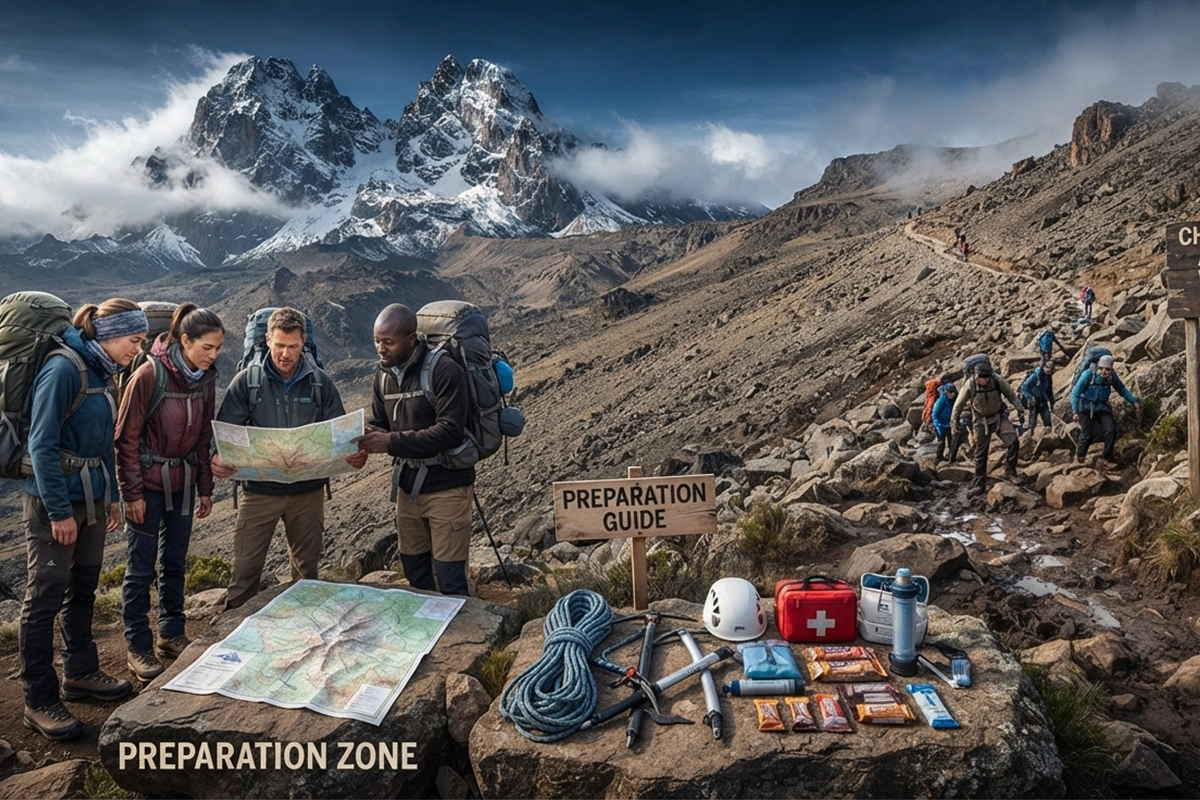

Mount Kenya is one of the most rewarding destinations for mountain hiking in Africa. Its changing landscapes, high-altitude scenery, rocky peaks and unique vegetation attract experienced climbers and people looking for their first major trekking adventure.
However, reaching the mountain is only the beginning. A successful climb requires physical preparation, suitable equipment, proper planning and an understanding of the challenges that come with hiking at high altitude.
For first-time hikers, the experience can be more demanding than expected. Long walking hours, unpredictable weather, steep trails and reduced oxygen levels can make the journey difficult if you are not adequately prepared.
Whether you are considering mount kenya hiking for the first time or planning a more challenging mountain adventure, understanding these difficulties can help you prepare better and enjoy the experience.
One common mistake beginners make is assuming that climbing Mount Kenya is similar to ordinary hiking. While some sections are manageable for people with reasonable fitness levels, the higher sections require endurance and careful preparation.
Mount Kenya has three main high peaks: Batian at 5,199 metres, Nelion at 5,188 metres and Point Lenana at approximately 4,984 metres.
Most trekking visitors aim for Point Lenana, which is accessible through non-technical trekking routes. Batian and Nelion require advanced technical climbing skills and specialist equipment.
Before planning your climb, understand the type of experience you want. A guided trek to Point Lenana is different from a technical climbing expedition.
Physical exhaustion: Walking for several hours each day can become tiring, particularly during steep sections.
Altitude sickness: Higher elevations have less available oxygen, making physical activity more difficult.
Cold temperatures: Conditions become increasingly cold as you gain altitude, especially at night.
Changing weather: Rain, wind, mist and low temperatures can affect your progress.
Difficult terrain: Rocky paths, muddy sections and steep slopes require balance and concentration.
Recognising these challenges early helps you choose a suitable itinerary and prepare for the conditions you may encounter.
Altitude is one of the biggest challenges when climbing Mount Kenya. As you move higher, the amount of oxygen available to your body decreases. This can affect even physically fit hikers who are not accustomed to high elevations.
Altitude sickness, also known as acute mountain sickness, can develop when someone ascends too quickly without allowing their body enough time to adjust.
Common symptoms include:
Headaches
Dizziness
Nausea
Loss of appetite
Unusual tiredness
Difficulty sleeping
The risk increases as you climb higher, particularly above 3,000 metres.
The most important preparation is allowing enough time for acclimatisation. Avoid choosing an itinerary simply because it reaches the summit quickly.
Consider these precautions:
Choose an itinerary that allows gradual altitude gain.
Walk at a comfortable pace rather than competing with other hikers.
Drink sufficient safe water throughout the trek.
Eat regularly to maintain your energy.
Avoid alcohol during the climb.
Inform your guide if you experience symptoms of altitude sickness.
Do not ignore worsening symptoms. Severe altitude sickness can become life-threatening. If symptoms become serious or continue to worsen, descending to a lower altitude and seeking medical assistance is essential.
You do not necessarily need to be an experienced mountaineer to attempt a guided trek to Point Lenana. However, you should have enough endurance to walk for several hours across challenging terrain.
Many first-time hikers underestimate the physical demands of a multi-day mountain trek. Even when the walking pace is manageable, repeated uphill sections and consecutive days of hiking can cause exhaustion.
Start preparing several weeks before your planned departure. Your training should focus on improving cardiovascular endurance, strengthening your legs and becoming comfortable walking for extended periods.
Useful exercises include:
Walking and hiking: Start with shorter walks and gradually increase the distance. Include hills and uneven paths to improve your endurance.
Stair climbing: Climbing stairs helps strengthen your legs and prepares your body for steep sections.
Strength training: Exercises such as squats, lunges and step-ups can improve leg strength and stability.
Cardiovascular exercises: Cycling, swimming, jogging and brisk walking can help improve general endurance.
Practice hikes: Take longer hikes while carrying a backpack similar to the one you expect to use during your Mount Kenya trek.
The goal is not to become an athlete before climbing. It is to prepare your body for the physical demands of the journey.
Mount Kenya has several trekking routes, each offering different experiences, landscapes and levels of difficulty. Choosing a route without understanding its demands can make your first climb unnecessarily challenging.
The three main access routes are Sirimon, Naro Moru and Chogoria.
Sirimon Route
Sirimon approaches Mount Kenya from the northwest. It is popular with trekkers because of its relatively gradual ascent and opportunities for acclimatisation.
It is worth considering if you are a first-time hiker looking for a more gradual approach to the mountain.
Naro Moru Route
Naro Moru approaches the mountain from the west. It is known for its steep sections and the challenging area commonly called the Vertical Bog.
Although it can provide a shorter approach, the steep terrain may be demanding, particularly in wet conditions.
Chogoria Route
Chogoria approaches the mountain from the eastern side. It is known for its impressive scenery, including valleys, lakes, waterfalls and dramatic mountain landscapes.
It can be a good choice for hikers who want to experience more of the mountain's natural beauty, although the itinerary and terrain require proper planning.
How should you choose?
Consider your physical fitness, available time, experience, preferred scenery and ability to adjust to altitude.
For many first-time trekkers, a longer itinerary using Sirimon for the ascent and Chogoria for the descent offers a rewarding combination of gradual climbing and scenic landscapes.
However, your guide should help determine the most suitable route based on your abilities and the prevailing mountain conditions.
You can explore the different experiences available through Marutek Adventures' tours and tours and travel services when planning your wider Kenya adventure.
Mount Kenya is close to the equator, but this does not mean its upper slopes have warm or predictable weather.
Temperatures change significantly with altitude. Conditions that feel comfortable near the mountain's lower slopes can become extremely cold at higher camps and around the summit.
Rain, strong winds, mist and low visibility can also make some sections more difficult to navigate.
The generally preferred trekking periods are the drier months, particularly January to February and July to September. However, mountain weather can change at any time, so conditions should always be checked before departure.
Planning your trek during a suitable weather window can improve trail conditions and visibility, but it does not eliminate the possibility of rain or cold temperatures.
Carry clothing that allows you to adjust to different temperatures throughout the day.
Essential items include:
Waterproof hiking jacket
Warm fleece or insulated jacket
Thermal base layers
Waterproof hiking trousers
Warm gloves and a hat
Comfortable hiking boots
Extra socks
Avoid relying on ordinary casual clothing. Proper outdoor clothing helps you remain comfortable and protects you from cold, rain and wind.
Packing incorrectly is another challenge that can affect your first mountain hiking experience.
Carrying too little equipment can leave you unprepared for cold weather, while carrying too much can make long walking days unnecessarily tiring.
Your packing list should cover clothing, footwear, personal safety, hydration and basic personal needs.
Footwear: Choose comfortable, well-fitting hiking boots with good grip. Break them in before the trip to reduce the risk of blisters.
Backpack: Use a suitable backpack for carrying personal essentials, water, snacks and extra clothing.
Sleeping equipment: Check whether your trekking package includes accommodation, camping equipment and sleeping bags before deciding what to bring.
Navigation and lighting: Carry a headlamp or torch with spare batteries. Follow your guide and stay on the agreed route.
Personal protection: Pack sunscreen, sunglasses, a hat and basic first-aid supplies.
Hydration: Carry suitable water bottles or a hydration system. Ask your guide about water treatment arrangements along the route.
Before departure, confirm which equipment is supplied by your trekking operator and which items you need to bring yourself.
A Mount Kenya trek involves more than choosing a date and arriving at the park gate. You need to consider transport, park access, accommodation, meals, guides, equipment and the number of days required.
Poor planning can result in rushed itineraries, missing equipment, unexpected expenses and inadequate time for acclimatisation.
Start by deciding when you want to climb and how many days you can dedicate to the experience.
Next, establish your preferred route and summit goal. A trek to Point Lenana has different requirements from a technical climb to Batian or Nelion.
You should also confirm:
Park entry arrangements and applicable fees
Accommodation and camping arrangements
Availability of qualified guides
Food and drinking water arrangements
Porter services, if required
Transport to and from the mountain
Emergency and evacuation arrangements
If you are travelling from another town or country, organise your accommodation and transport in advance. Marutek Adventures offers hotel booking services to help travellers arrange their stay.
You can also enquire about airport and safari transfers for transport arrangements. If you need a vehicle for independent travel or additional flexibility, explore the available car hire services.
Book with an operator who can explain the itinerary clearly and help you understand what is included in the package.
Your first climb should be about enjoying the experience while respecting the demands of the mountain. Trying to move too quickly or comparing your progress with other hikers can make the journey unnecessarily difficult.
A few practical decisions can make a significant difference.
Choose a realistic trekking duration.
Train consistently before departure.
Allow enough time for acclimatisation.
Follow the instructions of your guide.
Take regular breaks when necessary.
Eat and drink throughout the journey.
Keep your backpack organised and manageable.
Respect the mountain environment and wildlife.
Remember that reaching the summit is not the only measure of a successful trek. Your safety and overall experience matter just as much.
If you are organising a group outdoor experience or planning an adventure that combines hiking with other activities, you can also explore Marutek Adventures' team-building services.
Planning a mountain adventure can be challenging, especially if you have never climbed Mount Kenya before. You need to understand the routes, prepare physically, arrange transport and accommodation, and ensure that you have the right equipment.
Marutek Adventures helps travellers organise outdoor experiences and travel arrangements in Kenya. With proper guidance and a well-organised itinerary, you can approach your climb with a clearer understanding of what to expect.
Whether you are planning your first mountain trek or looking for a more challenging outdoor experience, working with an adventure travel team can help you organise the important details before departure.
Before booking, discuss your fitness level, preferred dates, trekking experience and expectations. This helps determine an itinerary that matches your needs.
For assistance with your travel plans, visit the Marutek Adventures contact page and enquire about your preferred adventure.
Climbing Mount Kenya is a rewarding adventure, but it requires more preparation than an ordinary hiking trip. Altitude sickness, physical exhaustion, changing weather, difficult terrain and poor equipment choices can affect your experience if you do not plan properly.
The best way to prepare is to build your fitness gradually, select a suitable trekking route, carry the right equipment and allow enough time for acclimatisation.
With realistic expectations and proper planning, your first Mount Kenya trek can become an unforgettable experience.
Yes. Beginners with reasonable physical fitness can attempt a guided trek to Point Lenana. However, they should choose a suitable route, prepare physically and allow enough time for acclimatisation. Batian and Nelion require technical climbing experience.
Most trekking itineraries take approximately 3 to 5 days, depending on the route and schedule. A longer itinerary is often preferable for first-time hikers because it allows more time for acclimatisation.
Sirimon is a popular option for first-time trekkers because it offers a relatively gradual ascent. Some itineraries combine the Sirimon ascent with a Chogoria descent for a varied experience.
Pack broken-in hiking boots, warm clothing, waterproof layers, gloves, a hat, a backpack, a headlamp, sunscreen, sunglasses, personal medication and suitable water containers. Confirm with your operator which camping and sleeping equipment is provided.
January to February and July to September are generally preferred because they fall within the drier periods. However, weather conditions can change quickly, so check the forecast and seek local guidance before your trek.
Do not let poor preparation prevent you from experiencing one of Kenya's most rewarding mountain adventures. Contact Marutek Adventures to discuss your Mount Kenya trekking plans, explore suitable itineraries and prepare for your climb.
Get exclusive safari deals and travel inspiration

